
Leading Solutions For Restoring And Reinforcing Stone Foundations
Learn about high-performance products that provide durable repairs and long-lasting support for stone structures.
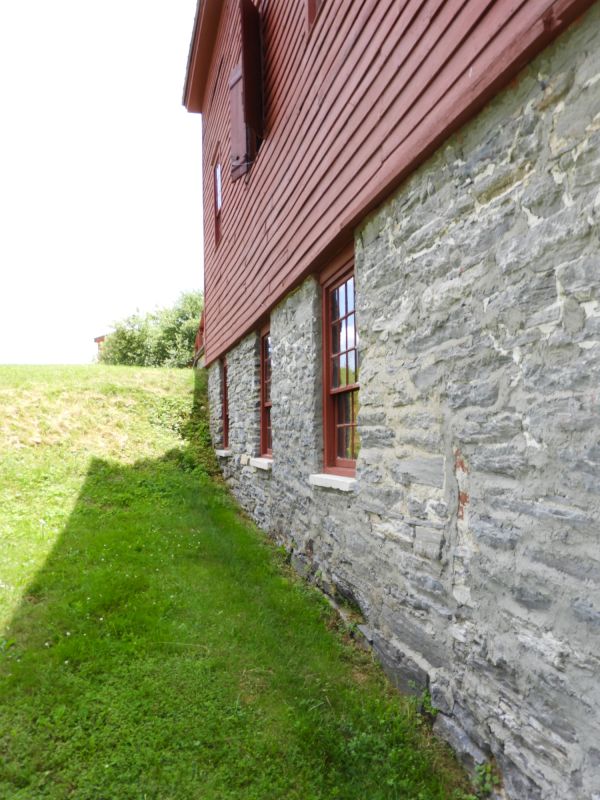 Stone foundation repairs are a critical aspect of maintaining the structural integrity of buildings with stone or masonry foundations. When issues such as cracking, shifting, or settling occur, it is essential to select appropriate products that can effectively address these problems. A variety of repair solutions are available, ranging from simple crack fillers to more comprehensive stabilization systems. Understanding the different types of products and their applications can help homeowners and professionals choose the most suitable options for their specific needs.
Top Overall Option
Hydraulic Cement for Foundation Repairs
Hydraulic cement is a versatile and highly effective product for sealing cracks and filling gaps in stone foundations. It sets quickly upon contact with water, making it suitable for damp or wet areas. Its strong adhesion and durability help stabilize minor cracks and prevent water infiltration, contributing to the overall integrity of the foundation. When properly applied, hydraulic cement can serve as a reliable solution for various repair scenarios, especially for small to medium cracks.
Types of Products For Stone Foundation Repairs
Hydraulic Cement
Used for sealing cracks and filling gaps, hydraulic cement is known for its quick setting and strong adhesion properties.
Epoxy Injection Kits
Ideal for repairing cracks that require structural reinforcement, epoxy injection kits provide a strong bond for fractured stone or masonry.
Polyurethane Foam
Flexible and expanding, polyurethane foam is used to fill voids and stabilize shifting stones or masonry units.
Mortar Mixes
Specialized mortar mixes are formulated for repointing and restoring old stonework while matching the original appearance.
Underpinning Systems
These systems provide foundational support beneath existing structures, often involving piers or piles to stabilize settling foundations.
Grout and Sealants
Used for filling larger gaps and sealing joints, grout and sealants help prevent water ingress and further deterioration.
Stone Patching Compounds
Designed for repairing damaged or chipped stones, these compounds restore appearance and protect against further damage.
Waterproofing Membranes
Applied to the exterior or interior of foundations, waterproofing membranes help keep moisture out and reduce erosion.
Drainage Products
Drainage pipes, gravel beds, and sump pumps facilitate water management around the foundation to prevent water-related issues.
Vapor Barriers
Installed beneath or around foundations, vapor barriers control moisture vapor migration and protect the stonework.
Anchor Bolts and Tiebacks
Used to stabilize and reinforce shifting or leaning stones, these hardware solutions secure masonry in place.
Crack Repair Tape
Flexible tapes designed for quick sealing of cracks, often used as a temporary or supplementary repair measure.
Foundation Braces
Structural braces provide additional support to compromised foundation walls and prevent further movement.
Soil Stabilizers
Products that improve soil stability around the foundation to reduce settling and shifting.
Chemical Grouting
Injectable chemicals used to fill voids and stabilize loose soil or fractured stones beneath the foundation.
Popular Choices
Widely used for crack sealing, epoxy kits are favored for their strong bonding capabilities and ease of application.
Popular for their expanding properties, these sealants effectively fill voids and prevent water intrusion.
Commonly chosen for quick repairs, hydraulic cement patches are effective for sealing leaks and cracks.
These piers are frequently used to stabilize and lift settling foundations, providing long-term support.
Frequently selected for exterior foundation waterproofing, these membranes help keep moisture out.
Repointing mortar is often used to restore old stone joints, enhancing appearance and preventing water ingress.
Effective drainage solutions are popular for managing water around the foundation and reducing erosion.
Flexible tapes are commonly used for quick sealing of visible cracks, especially in damp environments.
These compounds are frequently used to repair chipped or damaged stones, maintaining structural integrity.
Tiebacks are often employed to reinforce leaning or bowing stone walls and prevent further movement.
Used to fill larger voids or stabilize soil, grouting products are a common choice for foundation repair projects.
Popular for moisture control, vapor barriers help protect stone foundations from dampness and related issues.
Applied to improve soil strength around foundations, these stabilizers are frequently used in repair scenarios.
Commonly used to secure stone or masonry units, anchor bolts provide additional stability.
Proper foundation repair often involves assessing the extent of the damage and selecting products that can provide durable and long-lasting support. Materials such as hydraulic mortars, epoxy injections, and underpinning systems are commonly used to restore stability. It is also important to consider the compatibility of repair products with existing stone materials to ensure proper adhesion and performance. Regular maintenance and inspections can help identify issues early, preventing more extensive and costly repairs in the future.
Choosing the right products for stone foundation repairs requires attention to detail, including the nature of the damage, the environment, and the overall condition of the structure. While some repairs may be straightforward, others might necessitate professional assessment and installation. The goal is to select solutions that reinforce the foundation without compromising the aesthetic or structural integrity of the original stonework. Ultimately, informed decisions about repair products can contribute to a safer, more stable building environment.
Key Buying Considerations
- Assess the extent and type of foundation damage to determine appropriate repair products.
- Ensure compatibility of repair materials with existing stone or masonry to promote adhesion and durability.
- Consider environmental factors such as moisture levels, soil conditions, and exposure to water.
- Evaluate whether repairs are temporary fixes or require long-term stabilization solutions.
- Review ease of application and whether professional installation is recommended for complex repairs.
- Check product specifications for setting time, strength, and flexibility to match repair needs.
- Select products that are suitable for indoor or outdoor use based on location and exposure.
- Consider the aesthetic impact of repair materials, especially for visible stonework.
- Review safety instructions and handling requirements to ensure proper and safe application.
- Determine if additional supporting products such as drainage or waterproofing are necessary.
- Factor in the cost and availability of replacement or supplementary materials for ongoing maintenance.
- Consult with a foundation repair specialist for complex issues that may require structural assessment.
- Verify product certifications and compliance with relevant building standards or codes.
- Think about future accessibility for inspections and potential repairs when selecting products.
This content contains affiliate links. We may earn a commission if you purchase through these links, at no additional cost to you.